Buy future-food.eu ?
We are moving the project
future-food.eu .
Are you interested in purchasing the domain
future-food.eu ?
domain@kv-gmbh.de · 0541-91531010
Buy future-food.eu ?
Can only liquids that can form hydrogen bonds form hydrogen bonds?
No, only liquids that contain hydrogen atoms bonded to highly electronegative atoms such as oxygen, nitrogen, or fluorine can form hydrogen bonds. These highly electronegative atoms create a partial negative charge, which allows them to attract the partially positive hydrogen atoms of neighboring molecules. Therefore, only liquids that contain these specific types of bonds can form hydrogen bonds. **
What are hydrogen bonds?
Hydrogen bonds are weak electrostatic attractions between a hydrogen atom covalently bonded to an electronegative atom (such as oxygen, nitrogen, or fluorine) and another electronegative atom. These bonds are important in biological systems, such as in the structure of DNA and proteins, as well as in the properties of water. Hydrogen bonds are stronger than van der Waals forces but weaker than covalent or ionic bonds. **


Similar search terms for Hydrogen bonds Strong
Top-Angebote
Products related to Hydrogen bonds Strong:
-
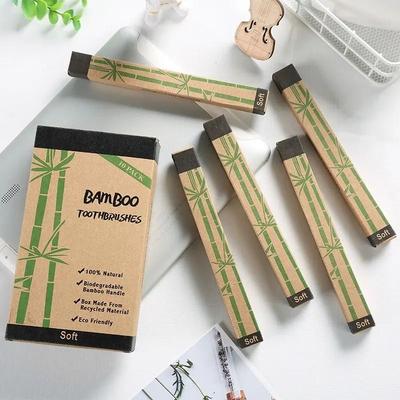
Uplift Essentials Natural Bamboo Eco Friendly Toothbrush 10 Piece Sustainable Family Pack Natural Bamboo Eco Friendly Toothbrush 10 Piece Sustainable Family PackTransition to a greener routine with this Natural Bamboo Toothbrush Set, a premium collection of bamboo products designed to reduce environmental impact without compromising on performance. Each handle is crafted from 100% sustainable bamboo,...37,97 $*Shipping: 0,00 $Secure redirect to the provider
-
Inspired Finds Herbal Hair Growth Soap Handmade Plant Based Cleanser For Strong Roots & Reduced Hair Loss 5pcsDiscover the natural way to healthier hair. This gentle yet powerful herbal hair soap is handmade with plantbased ingredients designed to cleanse your scalp, strengthen roots, and help reduce hair fall. Infused with nourishing botanicals like...198,99 $*Shipping: 0,00 $Secure redirect to the provider
-
Superior Eco-Friendly Sustainable Cotton 12-Piece Bathroom Towel SetMade with incredibly soft recycled cotton, the Eco-Friendly Sustainable Cotton Bathroom Towel Set is the perfect green addition to any bathroom space. Our sustainable Cotton towels are lightweight to get you dry quickly after a shower or bath.61,91 $*Shipping: 0,00 $Secure redirect to the provider
-
Superior Eco-Friendly Sustainable Cotton 6-Piece Bathroom Towel SetMade with incredibly soft recycled cotton, the Eco-Friendly Sustainable Cotton Bathroom Towel Set is the perfect green addition to any bathroom space. Our sustainable Cotton towels have a lightweight to get you dry quickly after a shower or bath.43,99 $*Shipping: 0,00 $Secure redirect to the provider



-
Can ethanal form hydrogen bonds?
Yes, ethanal (acetaldehyde) can form hydrogen bonds. Ethanal contains a carbonyl group (C=O), which has a partially positive carbon atom and a partially negative oxygen atom. This allows ethanal to form hydrogen bonds with molecules containing hydrogen atoms bonded to electronegative atoms such as oxygen or nitrogen. **
-
Can aldehydes form hydrogen bonds?
Yes, aldehydes can form hydrogen bonds. The oxygen atom in the carbonyl group of an aldehyde can act as a hydrogen bond acceptor, and the hydrogen atom attached to the carbonyl carbon can act as a hydrogen bond donor. This allows aldehydes to participate in hydrogen bonding with other molecules that contain hydrogen bond donors or acceptors. **
-
How are hydrogen bonds formed?
Hydrogen bonds are formed when a hydrogen atom that is covalently bonded to an electronegative atom (such as oxygen, nitrogen, or fluorine) is attracted to another electronegative atom nearby. This attraction creates a weak electrostatic bond between the hydrogen atom and the electronegative atom, resulting in a hydrogen bond. These bonds are important in many biological processes, such as the structure of DNA and the folding of proteins, as well as in the properties of water. **
-
Why are Van der Waals bonds weaker than hydrogen bonds?
Van der Waals bonds are weaker than hydrogen bonds because they are formed due to temporary fluctuations in electron distribution around atoms or molecules, resulting in weak attractive forces. In contrast, hydrogen bonds are formed between a hydrogen atom and a highly electronegative atom such as oxygen, nitrogen, or fluorine, resulting in a stronger electrostatic attraction. Additionally, hydrogen bonds are directional and can form multiple bonds between molecules, while Van der Waals bonds are non-directional and typically only occur between non-polar or weakly polar molecules. **


Are there hydrogen bonds in HCl?
No, there are no hydrogen bonds in HCl. Hydrogen bonds occur when a hydrogen atom is covalently bonded to a highly electronegative atom such as oxygen, nitrogen, or fluorine. In the case of HCl, hydrogen is bonded to chlorine, which is not electronegative enough to form hydrogen bonds. Instead, HCl forms a polar covalent bond due to the difference in electronegativity between hydrogen and chlorine. **
What are hydrogen bonds in chemistry?
Hydrogen bonds are a type of weak chemical bond that occurs between a hydrogen atom and a highly electronegative atom, such as oxygen, nitrogen, or fluorine. These bonds are important in various biological processes, such as the structure of DNA and the folding of proteins. Hydrogen bonds are stronger than van der Waals forces but weaker than covalent or ionic bonds. **
Top-Angebote
Products related to Hydrogen bonds Strong:
-
Inspired Finds Eternal Bonds Personalized Acrylic Photo Frame & Custom Couple Plaque Gift warm LightCapture Your Timeless Connection. Turn your most meaningful moments into a lasting keepsake with this elegant personalized acrylic photo frame. Designed specifically for couples who value memories that matter, this sleek, transparent display piece...110,99 $*Shipping: 0,00 $Secure redirect to the provider
-
S&S Northern Merlin Gas Detector X-Range - HydrogenThe Merlin Gas Detector X-Range for Hydrogen is designed to integrate seamlessly with the S&S; Merlin range of Gas Detection Panels and Safety Systems. Featuring a compact, modern, and digital design, this detector is both aesthetically pleasing and easy to install, making it ideal for industrial and commercial indoor applications. Advanced Detection: Effectively detects hydrogen gas, ensuring safety in various environments. Dual-Level Alarms: Features both low and high-level alarms for comprehensive safety monitoring. Visual Indicators: Traffic light-style gas level display provides clear and immediate visual feedback on gas levels. Easy Installation: Designed for straightforward setup, ensuring hassle-free integration.217,50 £*Shipping: 0,00 £Secure redirect to the provider
-
Uplift Essentials Natural Bamboo Eco Friendly Toothbrush 10 Piece Sustainable Family Pack Natural Bamboo Eco Friendly Toothbrush 10 Piece Sustainable Family PackTransition to a greener routine with this Natural Bamboo Toothbrush Set, a premium collection of bamboo products designed to reduce environmental impact without compromising on performance. Each handle is crafted from 100% sustainable bamboo,...37,97 $*Shipping: 0,00 $Secure redirect to the provider
-
Inspired Finds Herbal Hair Growth Soap Handmade Plant Based Cleanser For Strong Roots & Reduced Hair Loss 5pcsDiscover the natural way to healthier hair. This gentle yet powerful herbal hair soap is handmade with plantbased ingredients designed to cleanse your scalp, strengthen roots, and help reduce hair fall. Infused with nourishing botanicals like...198,99 $*Shipping: 0,00 $Secure redirect to the provider
-
Can only liquids that can form hydrogen bonds form hydrogen bonds?
No, only liquids that contain hydrogen atoms bonded to highly electronegative atoms such as oxygen, nitrogen, or fluorine can form hydrogen bonds. These highly electronegative atoms create a partial negative charge, which allows them to attract the partially positive hydrogen atoms of neighboring molecules. Therefore, only liquids that contain these specific types of bonds can form hydrogen bonds. **
-
What are hydrogen bonds?
Hydrogen bonds are weak electrostatic attractions between a hydrogen atom covalently bonded to an electronegative atom (such as oxygen, nitrogen, or fluorine) and another electronegative atom. These bonds are important in biological systems, such as in the structure of DNA and proteins, as well as in the properties of water. Hydrogen bonds are stronger than van der Waals forces but weaker than covalent or ionic bonds. **
-
Can ethanal form hydrogen bonds?
Yes, ethanal (acetaldehyde) can form hydrogen bonds. Ethanal contains a carbonyl group (C=O), which has a partially positive carbon atom and a partially negative oxygen atom. This allows ethanal to form hydrogen bonds with molecules containing hydrogen atoms bonded to electronegative atoms such as oxygen or nitrogen. **
-
Can aldehydes form hydrogen bonds?
Yes, aldehydes can form hydrogen bonds. The oxygen atom in the carbonyl group of an aldehyde can act as a hydrogen bond acceptor, and the hydrogen atom attached to the carbonyl carbon can act as a hydrogen bond donor. This allows aldehydes to participate in hydrogen bonding with other molecules that contain hydrogen bond donors or acceptors. **
Similar search terms for Hydrogen bonds Strong
-
Superior Eco-Friendly Sustainable Cotton 12-Piece Bathroom Towel SetMade with incredibly soft recycled cotton, the Eco-Friendly Sustainable Cotton Bathroom Towel Set is the perfect green addition to any bathroom space. Our sustainable Cotton towels are lightweight to get you dry quickly after a shower or bath.61,91 $*Shipping: 0,00 $Secure redirect to the provider
-
Superior Eco-Friendly Sustainable Cotton 6-Piece Bathroom Towel SetMade with incredibly soft recycled cotton, the Eco-Friendly Sustainable Cotton Bathroom Towel Set is the perfect green addition to any bathroom space. Our sustainable Cotton towels have a lightweight to get you dry quickly after a shower or bath.43,99 $*Shipping: 0,00 $Secure redirect to the provider
-
Inspired Finds Eternal Bonds Personalized Acrylic Photo Frame & Custom Couple Plaque Gift 7 Colors LightCapture Your Timeless Connection. Turn your most meaningful moments into a lasting keepsake with this elegant personalized acrylic photo frame. Designed specifically for couples who value memories that matter, this sleek, transparent display piece...116,99 $*Shipping: 0,00 $Secure redirect to the provider
-
Inspired Finds Herbal Hair Growth Soap Handmade Plant Based Cleanser For Strong Roots & Reduced Hair Loss 2pcsDiscover the natural way to healthier hair. This gentle yet powerful herbal hair soap is handmade with plantbased ingredients designed to cleanse your scalp, strengthen roots, and help reduce hair fall. Infused with nourishing botanicals like...104,99 $*Shipping: 0,00 $Secure redirect to the provider
-
How are hydrogen bonds formed?
Hydrogen bonds are formed when a hydrogen atom that is covalently bonded to an electronegative atom (such as oxygen, nitrogen, or fluorine) is attracted to another electronegative atom nearby. This attraction creates a weak electrostatic bond between the hydrogen atom and the electronegative atom, resulting in a hydrogen bond. These bonds are important in many biological processes, such as the structure of DNA and the folding of proteins, as well as in the properties of water. **
-
Why are Van der Waals bonds weaker than hydrogen bonds?
Van der Waals bonds are weaker than hydrogen bonds because they are formed due to temporary fluctuations in electron distribution around atoms or molecules, resulting in weak attractive forces. In contrast, hydrogen bonds are formed between a hydrogen atom and a highly electronegative atom such as oxygen, nitrogen, or fluorine, resulting in a stronger electrostatic attraction. Additionally, hydrogen bonds are directional and can form multiple bonds between molecules, while Van der Waals bonds are non-directional and typically only occur between non-polar or weakly polar molecules. **
-
Are there hydrogen bonds in HCl?
No, there are no hydrogen bonds in HCl. Hydrogen bonds occur when a hydrogen atom is covalently bonded to a highly electronegative atom such as oxygen, nitrogen, or fluorine. In the case of HCl, hydrogen is bonded to chlorine, which is not electronegative enough to form hydrogen bonds. Instead, HCl forms a polar covalent bond due to the difference in electronegativity between hydrogen and chlorine. **
-
What are hydrogen bonds in chemistry?
Hydrogen bonds are a type of weak chemical bond that occurs between a hydrogen atom and a highly electronegative atom, such as oxygen, nitrogen, or fluorine. These bonds are important in various biological processes, such as the structure of DNA and the folding of proteins. Hydrogen bonds are stronger than van der Waals forces but weaker than covalent or ionic bonds. **
* All prices are inclusive of VAT and, if applicable, plus shipping costs. The offer information is based on the details provided by the respective shop and is updated through automated processes. Real-time updates do not occur, so deviations can occur in individual cases. ** Note: Parts of this content were created by AI.